


Choosing a commercial swimming pool heat pump involves more than checking heating capacity. Pool operators must consider operating costs, water temperature, climate, and daily usage. An energy-efficient pool heating system can support comfortable swimming conditions. Moreover, the right equipment helps businesses manage long-term operating expenses.
Consider a hotel with an outdoor pool. Guests expect comfortable water temperatures during cooler mornings. Meanwhile, the pool operates for extended hours during busy seasons. Therefore, equipment selection should reflect actual operating conditions.
Can a Commercial Swimming Pool Heat Pump Match Your Pool's Demand?
A hotel pool and a fitness center have different usage patterns. Hotels often experience changing demand throughout the day. Fitness centers may maintain more predictable schedules. Consequently, each project needs an appropriate heating plan.
How should you estimate heating requirements?
First, calculate the pool's water volume. Then consider the desired temperature and local climate. Also evaluate the pool's surface area and operating schedule.
Outdoor pools lose heat through evaporation and wind exposure. Additionally, nighttime temperatures can increase heating demand. Pool covers may help reduce these losses.
A suitable commercial swimming pool heat pump should match these conditions. Avoid selecting equipment based only on pool dimensions. Instead, request a heating calculation for the project.
Why Does DC Inverter Technology Matter for Commercial Pool Heating?
Pool heating demand changes with weather and usage. For example, a resort may experience different loads across seasons. During mild weather, the system may need less heating output. During colder periods, demand may increase.
A DC inverter swimming pool heat pump can adjust compressor operation. This allows output to respond to changing heating requirements. Therefore, inverter technology may support more flexible operation.
How can variable operation support energy management?
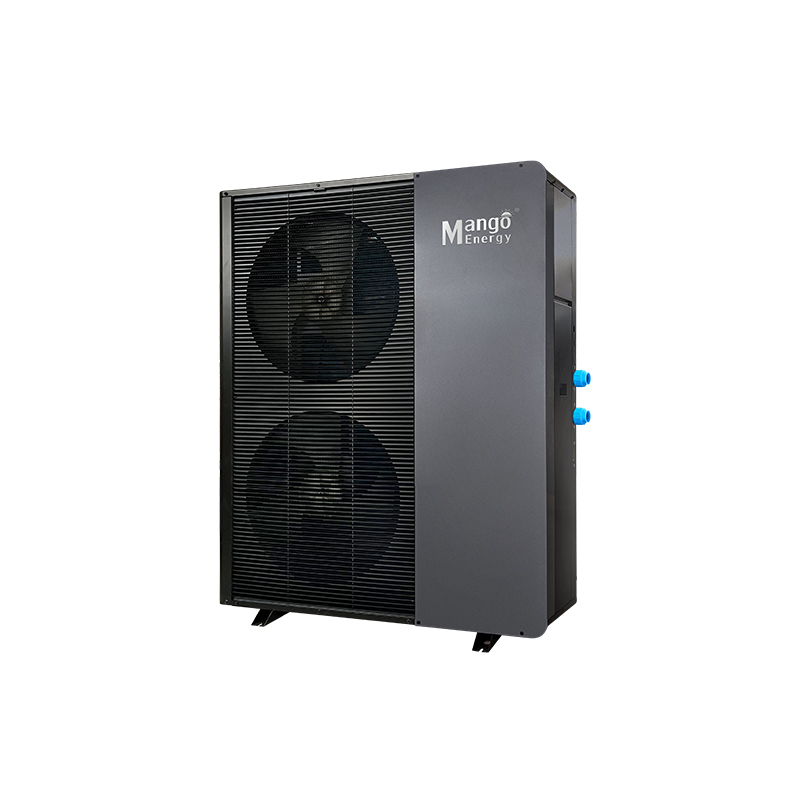
The Mango DC Inverter Swimming Pool Heat Pump targets efficient heating. Its product description highlights reduced electricity consumption. It also emphasizes potential savings on utility bills.
However, actual energy consumption depends on operating conditions. Ambient temperature, water temperature, and pool coverage all matter. Installation quality also influences overall system performance.
For B2B buyers, request performance data at specified conditions. Compare heating capacity and COP under matching test conditions. This makes supplier quotations easier to evaluate.

Is the Heat Pump Suitable for Your Local Climate?
A coastal hotel may face humid conditions and changing temperatures. An inland sports facility may experience colder winters. These environments create different heating requirements.
Therefore, climate suitability deserves attention before purchasing a commercial pool heat pump.
Which operating conditions should buyers confirm?
Ask manufacturers for the operating temperature range. Also request heating capacity at different ambient temperatures. These figures help estimate seasonal performance.
| Selection factor | Information to request | Project relevance |
|---|---|---|
| Heating capacity | Rated output and test conditions | Determines heating suitability |
| COP | Performance at stated conditions | Supports energy-cost estimates |
| Operating range | Minimum and maximum ambient temperatures | Checks climate compatibility |
| Water flow | Required flow rate and pressure drop | Supports circulation design |
| Water temperature | Recommended heating range | Matches user requirements |
| Electrical supply | Voltage, phase, and frequency | Confirms site compatibility |
| Protection | Electrical and operational safeguards | Supports installation planning |
Do not compare COP figures without checking test conditions. Different ambient and water temperatures can change results. Therefore, request comparable technical documentation from each supplier.
How Important Are Installation and Maintenance for Commercial Pool Heating?
A swimming pool heating project involves more than equipment delivery. Contractors must plan water circulation and equipment placement. They should also consider ventilation and maintenance access.
For example, a hotel may install its heat pump outdoors. The installation team must allow sufficient airflow. They should also provide access for routine inspection.
What installation details help protect long-term value?
Follow the manufacturer's clearance requirements. Confirm pipe sizing and water flow before commissioning. Also check electrical protection and drainage arrangements.
Pool water chemistry requires regular attention. Incorrect chemical balance may affect connected equipment. Therefore, maintain water quality within the manufacturer's recommended limits.
A reliable commercial swimming pool heat pump supplier should provide clear installation guidance. Ask about warranty coverage and spare parts availability. Also confirm technical support for distributors and contractors.

How Can B2B Buyers Balance Quality and Purchasing Costs?
For distributors, hotels, and engineering contractors, purchase price matters. However, operating costs also influence project value. A suitable commercial swimming pool heat pump should meet performance requirements. Meanwhile, its maintenance needs should fit the project budget.
What should buyers include in a supplier comparison?
| Purchasing consideration | What to evaluate |
|---|---|
| Product quality | Component specifications and quality-control procedures |
| Energy performance | COP and capacity under stated conditions |
| Certification | Applicable market certificates and test reports |
| Customization | Available models and project configurations |
| Warranty | Coverage period and service conditions |
| Supply capability | Production lead time and wholesale support |
| Technical service | Installation guidance and after-sales assistance |
Mango offers a DC inverter swimming pool heat pump. Its product positioning focuses on heating performance and electricity savings.
For distributors, this product can support an energy-conscious pool heating range. However, request detailed specifications before confirming project suitability. This includes rated output, operating range, and applicable certifications.
Explore our commercial pool heat pump product range to review available heating solutions.
A careful supplier review can improve purchasing decisions. It also helps businesses plan competitive project quotations. Ultimately, product quality and operating value should guide selection.
Visit our technical guide for more information about heat pump selection and installation planning.
Q&A: Commercial Swimming Pool Heat Pump Selection
Q1: Is a commercial swimming pool heat pump suitable for hotels?
Yes, it can support hotel pool heating requirements. However, buyers should calculate peak demand and seasonal conditions. Correct capacity selection remains essential.
Q2: What is the benefit of a DC inverter pool heat pump?
DC inverter technology adjusts compressor operation to changing demand. This may support more flexible heating and energy management. Actual savings depend on site conditions.
Q3: Can the Mango heat pump reduce pool heating costs?
The product focuses on efficient heating and lower electricity consumption. However, actual costs depend on climate, usage, and installation. Request performance data before estimating savings.
Q4: What specifications should distributors request?
Ask for heating capacity, COP, operating range, and water flow. Also confirm electrical requirements, certifications, and warranty terms.
Q5: How can buyers improve commercial pool heating efficiency?
Use a suitable pool cover when practical. Maintain correct water circulation and chemical balance. Also schedule heating around actual pool usage.
Q6: How can businesses choose a cost-effective supplier?
Compare product quality, technical documentation, and service support. Then evaluate wholesale pricing and delivery arrangements. A complete review helps protect long-term project value.