


Can one system manage indoor heating, cooling, and domestic hot water? For hotels, apartments, and commercial buildings, integrated HVAC solutions offer practical value. A wholesale heat pump can combine these functions through one coordinated system. In particular, a hybrid heat pump uses heat pump technology alongside solar energy integration. This approach helps businesses plan heating, cooling, and hot water together.
Imagine a hotel during seasonal transitions. Guests need warm rooms during winter mornings. However, summer afternoons require cooling. Meanwhile, kitchens and bathrooms need domestic hot water. Therefore, equipment selection should consider all three demands.
Can One Hybrid Heat Pump Handle Three Daily Needs?
Heating, cooling, and hot water often follow different schedules. For example, office buildings need daytime cooling. Residential apartments may require evening heating. Meanwhile, domestic hot water remains necessary throughout the day.
A suitable hybrid heat pump can coordinate these functions. However, buyers should confirm its operating modes and system configuration.
How does an integrated heat pump work?
The system uses heat pump technology to transfer thermal energy. It can provide heating and cooling functions. It can also support domestic hot water production.
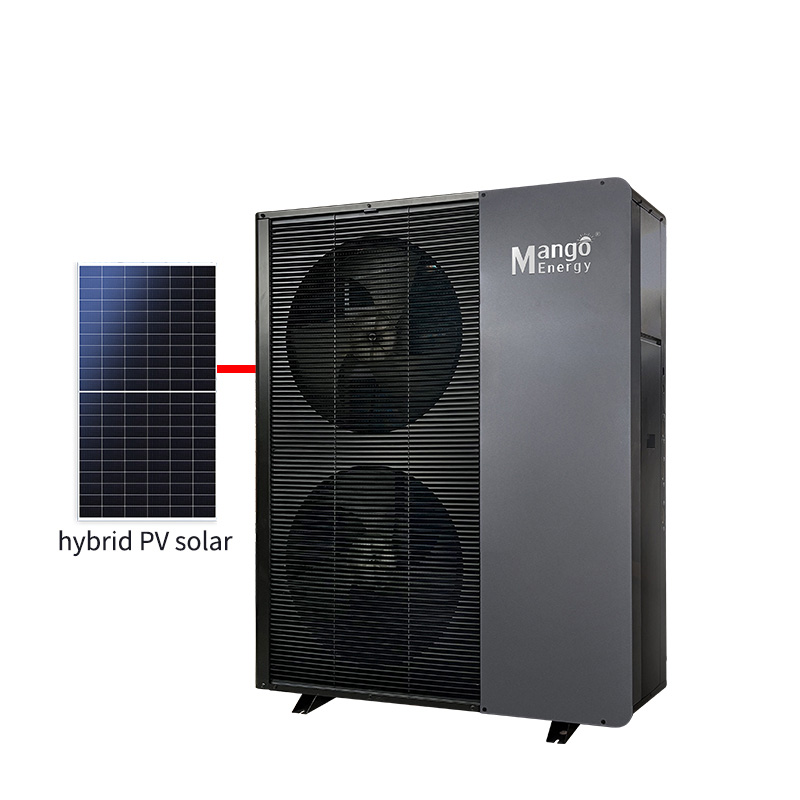
The Mango hybrid system combines these functions in one unit. This integrated design can simplify equipment planning. Additionally, it may reduce the need for separate system arrangements.
However, simultaneous operation depends on system design. Buyers should confirm whether the selected configuration supports concurrent demands. They should also check water storage and control arrangements.

Can a Wholesale Heat Pump Support Different Building Types?
Different buildings have different energy requirements. A hotel may need continuous hot water. Meanwhile, an office may prioritize daytime cooling. Residential projects often require flexible seasonal operation.
Therefore, a wholesale heat pump should match the building's actual usage.
How should buyers evaluate heating capacity?
The Mango system offers heating capacities from eleven to thirty-four kilowatts. This range provides options for different project requirements.
However, capacity selection requires more than floor area. Buyers should consider insulation, outdoor temperatures, and building heat loss. They should also calculate domestic hot water demand.
For example, a small hotel may experience morning hot water peaks. A commercial office may have higher cooling demand. These differences influence equipment selection.
Does Solar Integration Improve Hybrid Heat Pump Efficiency?
Energy costs influence many commercial purchasing decisions. Therefore, businesses increasingly evaluate renewable energy integration.
A solar hybrid heat pump combines heat pump technology with solar energy principles. The Mango product supports a PV solar system approach. However, buyers should understand the electrical configuration.
How can photovoltaic power support operation?
Photovoltaic panels convert sunlight into electricity. The generated electricity can power compatible heat pump equipment.
Meanwhile, the heat pump transfers environmental heat. This process supports heating and hot water production. In cooling mode, the system manages indoor heat removal.
The actual energy benefit depends on several factors. These include solar generation and building demand. Electrical integration also affects system performance.
The product lists ERP A+++ energy efficiency. Buyers should request the applicable ErP documentation. They should also confirm the exact model and rating conditions.
What Technical Features Matter for Long-Term Operation?
For distributors and contractors, product quality matters. They need stable components and practical controls. Additionally, customers expect comfortable indoor environments.
The Mango hybrid heat pump offers several configuration options. These include Panasonic or GMCC DC inverter compressors. It also features an EVI system.
How do components support system performance?
The compressor influences heating and cooling operation. EVI technology can support heating performance under suitable conditions. However, buyers should request operating data for specific climates.
The product also offers THETA or CAREL control systems. Its LCD wired controller supports thirteen languages. Furthermore, WiFi control provides remote operating convenience.
| Feature | Product configuration | Purchasing consideration |
|---|---|---|
| Heating capacity | Eleven to thirty-four kilowatts | Match building demand |
| Refrigerant | R290 or R32 | Confirm model and local requirements |
| Compressor | Panasonic or GMCC DC inverter | Check selected configuration |
| Compressor technology | EVI system | Request low-temperature performance data |
| Control system | THETA or CAREL | Confirm controller options |
| User interface | LCD controller, thirteen languages | Supports different markets |
| Smart functions | WiFi control | Check network compatibility |
| Energy rating | ERP A+++ listed | Verify model-specific documentation |
These features help distributors build product options. Nevertheless, confirm every configuration before quotation. Refrigerant choice and component availability may vary.
How Can Distributors Choose a Cost-Effective Wholesale Heat Pump?
B2B buyers need more than an attractive purchase price. They must consider product quality and technical support. They should also evaluate installation and maintenance requirements.
A wholesale heat pump with integrated functions may suit projects seeking coordinated systems. However, project suitability depends on hydraulic design and control requirements.
What should buyers confirm before ordering?
First, identify the building's heating and cooling loads. Next, estimate daily hot water consumption. Then, confirm the required operating temperature range.
Also request performance data at different outdoor temperatures. Check noise levels and installation clearances. Finally, confirm certifications and warranty conditions.
For distributors, supplier communication also matters. Clear documentation supports quotations and project planning. Moreover, flexible configurations can serve different customer requirements.
Explore our heat pump product range to review available heating and cooling solutions.
A quality-focused supplier can support long-term business value. Therefore, compare technical specifications and service arrangements. Do not evaluate equipment through purchase price alone.
Visit our technical guide for more information about heat pump selection and system planning.

Q&A: Wholesale Hybrid Heat Pump Solutions
Q1: Can one hybrid heat pump provide heating, cooling, and hot water?
Yes, the Mango system combines all three functions. However, operating modes and simultaneous demand depend on configuration.
Q2: What buildings can use this wholesale heat pump?
Potential applications include hotels and residential buildings. Offices and commercial projects may also benefit. Buyers should calculate actual heating and cooling loads.
Q3: What is the benefit of EVI technology?
EVI technology can support heat pump operation in colder conditions. Actual performance depends on model specifications and ambient temperature.
Q4: Does the system support smart control?
Yes, the product offers WiFi control. It also provides an LCD wired controller. Buyers should confirm network and controller compatibility.
Q5: Which refrigerant should distributors choose?
The product offers R290 and R32 options. Selection depends on model design and local regulations. Confirm certification and installation requirements first.
Q6: What should buyers request before purchasing wholesale?
Request heating and cooling capacity data. Also confirm COP, operating range, noise levels, and certifications. Finally, discuss warranty terms and technical support.