


Upgrading your property with an advanced inverter air source heat pump resolves soaring winter utility bills permanently. This smart climate solution guarantees consistent indoor temperatures while slashing baseline electricity consumption significantly.
Traditional fixed-speed boilers frequently experience severe efficiency losses during extreme outdoor temperature drops. Conversely, modern variable-speed compressors modulate their heating output fluidly to match real-time indoor thermal losses.
Furthermore, this continuous performance adjustment minimizes mechanical wear, extending equipment life up to twenty years. Ultimately, this reliable HVAC foundation maximizes long-term property valuation while supporting clean corporate carbon-neutral metrics. Now, let us examine the core operational bottlenecks that make traditional fixed-output heating systems highly inefficient.
The Fixed-Output Bottleneck: Why Traditional Heating Triggers Severe Energy Waste
Every seasoned property manager understands the deep frustration of unpredictable, escalating building operations costs. This financial drain typically stems from the cycling habits of old fixed-speed climate hardware units.
How On-Off Compressor Cycles Accelerate Grid Power Spikes and Component Wear
Standard non-inverter systems operate on a rigid all-or-nothing electrical command structure. The system turns on at full capacity until the room reaches your exact target temperature.
Subsequently, the motor shuts down completely, causing indoor air temperatures to drop rapidly within minutes. This constant starting action draws massive electrical current spikes, driving up your monthly utility bills.
Why Outdated Electric Resistance Elements Struggle in Low Temperature Climates
Old electrical baseboard heaters rely on crude resistance wires to generate indoor warmth. This primitive design requires one kilowatt of grid electricity to produce exactly one kilowatt of heat.
Consequently, these systems drain your operational budgets during prolonged sub-zero winter weather runs. Therefore, partnering with a certified professional heat pump supplier remains vital to secure high-efficiency thermal alternatives.
Technical Core: Deconstructing Inverter Thermophysical Principles
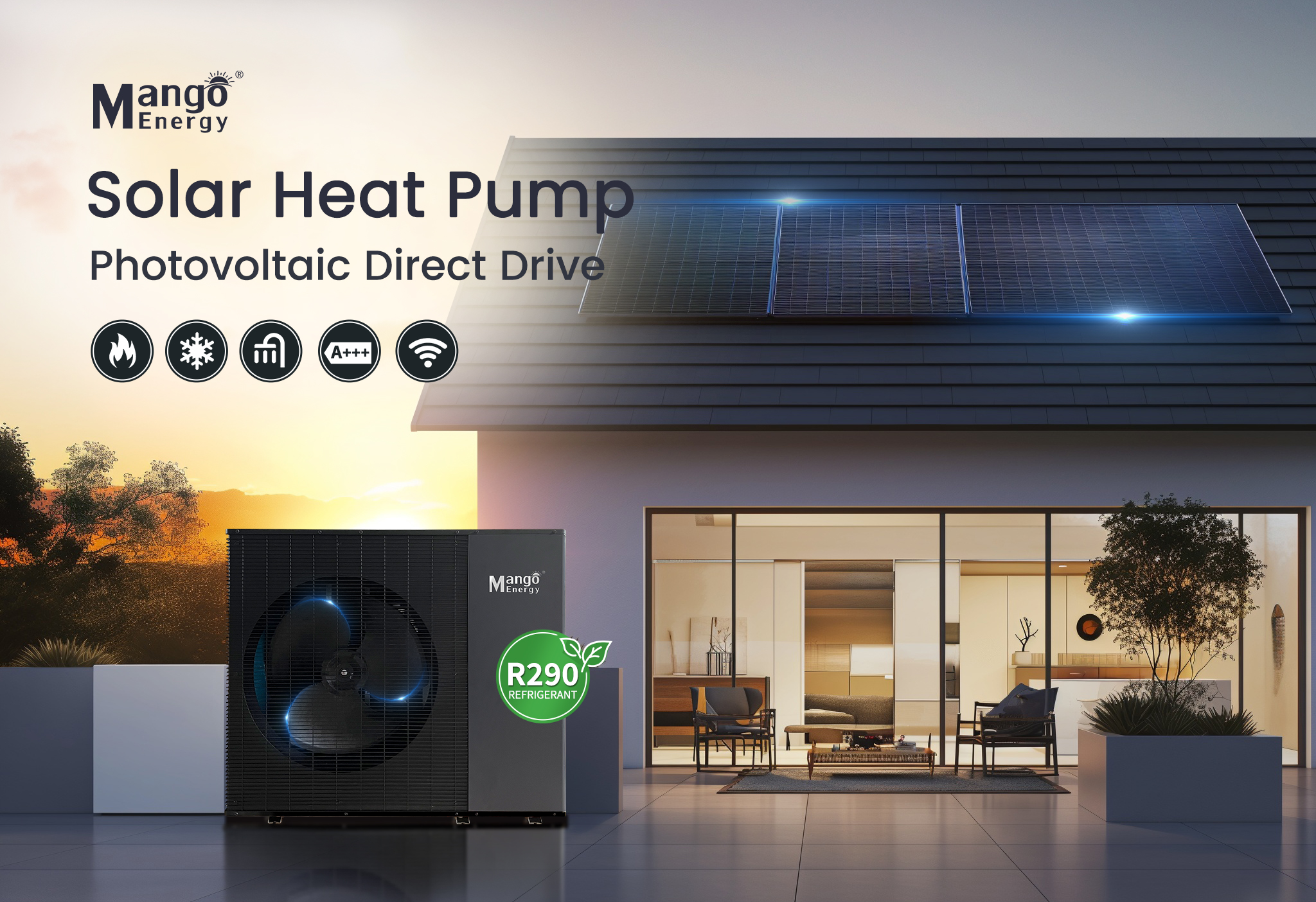
To conquer harsh cold-weather environments, thermodynamic engineers completely re-engineered residential compressor mechanics. Modern inverter units combine alternating current frequency converters with electronic expansion valves to optimize refrigerant loops.
Harnessing DC Inverter Modules for Linear Motor Speed Management
Elite heating systems utilize intelligent direct current inverter chipsets to govern compressor rotation speeds precisely. Instead of shutting down completely, the motor slows down to a quiet, efficient crawl once rooms get warm.
As a result, the hardware maintains a perfectly level indoor temperature line without consuming excess grid power. Your family enjoys a cozy, draft-free home environment while your electric meter spins significantly slower.
The Decisive Thermal Power of Vapor Injection in Freezing Weather
Premium air-to-water units employ specialized scroll compressors equipped with enhanced vapor injection technology. This mechanical path injects cooler refrigerant vapor directly into the compression chamber mid-cycle:
Vapor Injection Ports: Boost heating capacity significantly when outdoor ambient temperatures drop below zero.
Electronic Expansion Valves: Meter refrigerant fluid flows dynamically to prevent compressor liquid flooding.
Brushless DC Fan Motors: Alter outdoor airflow speeds silently to maximize seasonal coefficient ratings.
Hydrophilic Aluminum Fins: Repel outdoor moisture accumulation to minimize frozen coil defrost delays.
Performance Matrix: Traditional Boilers vs. Inverter Heat Pumps
System Efficiency Metric | Traditional Fossil Fuel Boilers | Inverter Air Source Heat Pumps |
Coefficient of Performance (COP) | Fixed low return (Always under 0.95) | Ultra-High returns (Reaches up to 4.5) |
Compressor Speed Regulation | None (Crude on-off operation only) | Infinite Modulation (Matches actual loads) |
Ambient Operational Span | Unaffected by air (Burns fuel locally) | Advanced Stability (Functions at -25°C) |
Carbon Footprint Impact | High (Emits greenhouse gasses locally) | Zero Direct Emissions (Runs on clean power) |
Daily Temperature Sway | Wide shifts (Swings up to three degrees) | Linear Precision (Maintains within 0.5°C) |
Strategic Property Benefits: Maximizing Financial Savings and Comfort
Integrating a premium energy-efficient heating system into your property workflow delivers immediate financial returns. This structural hardware shift transforms traditional home maintenance expenses into a highly predictable, green asset investment.
Eliminating Loud Compressor Startup Noise Loops in Residential Zones
Traditional fixed-speed climate units shake outdoor mounting brackets violently whenever their motors start up. This sudden acoustic shock disturbs sleeping families and triggers noise complaints from nearby neighbors.
Because inverter compressors ramp up their power lines gradually, they operate at whisper-quiet decibel levels. This silent performance gives you total freedom to place units near bedroom windows safely.
Shielding Building Owners from Future Carbon Tax Penalties Completely
Governments worldwide continue to increase environmental regulations on properties burning fossil fuels locally. Maintaining old gas or oil boilers subjects your business to expensive building compliance fines.
Switching to clean air-source technology future-proofs your real estate portfolio against evolving eco-laws. This proactive green upgrade protects your asset resale value while attracting high-quality, eco-conscious tenants.
Installation Blueprint: Setting Up Your Smart Pump for Maximum Thermal Gain
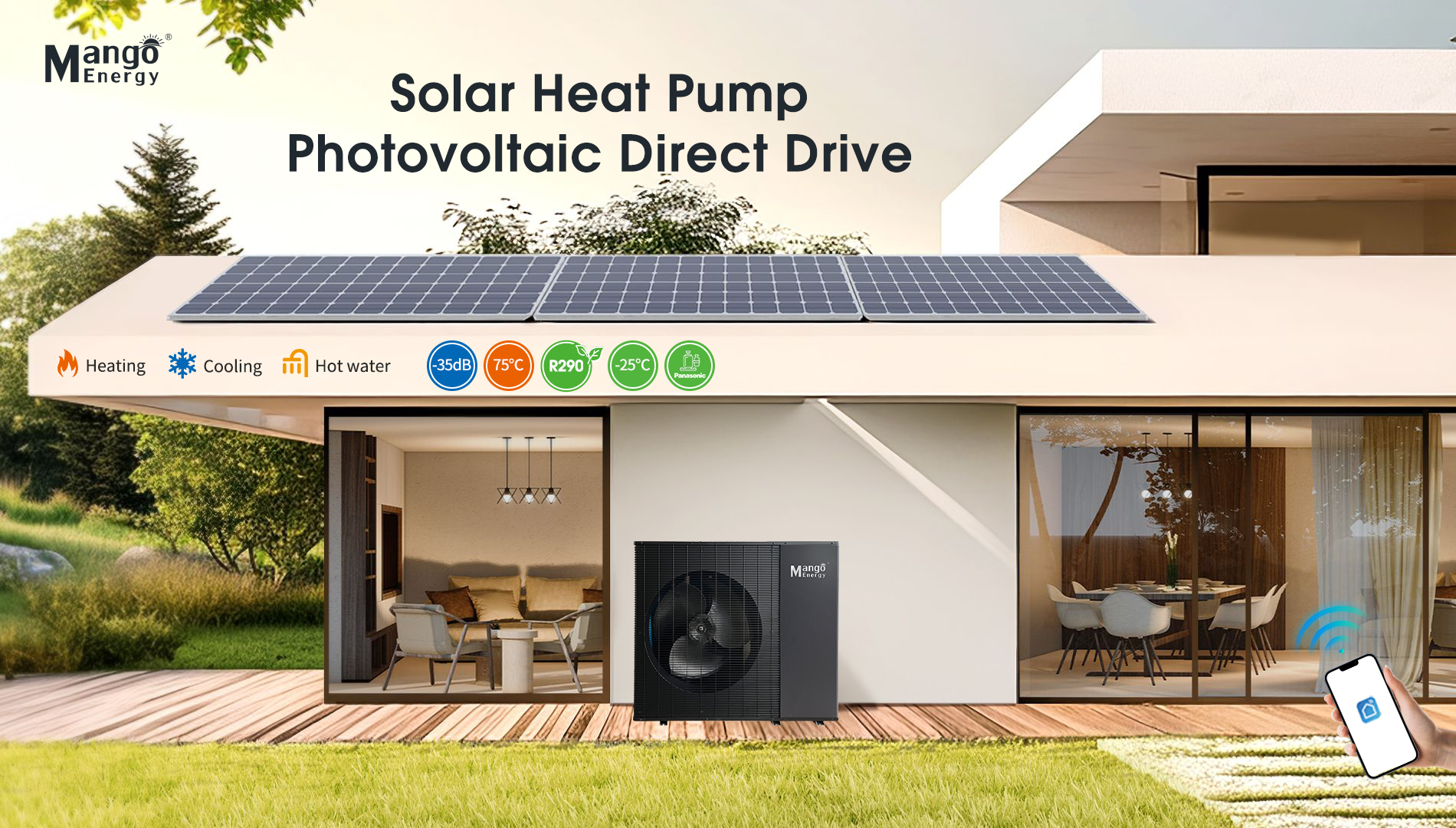
Achieving optimal seasonal efficiency requires placing your outdoor evaporator unit according to strict thermodynamic guidelines. Ensure your field mechanical teams execute these mandatory setup steps during every new system rollout.
Maintain Clear Airflow Clearances: Leave two feet of open space around intake coils.
Elevate the Ground Base: Mount the chassis twelve inches high to clear heavy winter snowdrifts.
Install Rubber Vibration Pads: Place dampening mats under feet to isolate structural motor hums.
Route Condensate Drains Safely: Direct defrost water away from walkways to prevent ice hazards.
Following this simple workshop progression prevents airflow blockages, ensuring your heat pump draws maximum environmental heat energy. It establishes an ideal mechanical foundation that allows your modern climate controls to perform perfectly.
FAQ:
What specific outdoor temperature limits cause inverter heat pumps to stop working?
Modern premium inverter pumps continue generating reliable indoor warmth even when outdoor temperatures plunge to minus twenty-five degrees. Advanced vapor injection tech prevents the compressor from overheating during these extreme low-temperature runs. This extreme durability eliminates the need to run expensive gas backup systems during deep winter freezes.
How does a high Coefficient of Performance (COP) lower my monthly heating bill?
A COP rating of 4.0 means your heat pump creates four kilowatts of warmth for every single kilowatt of electricity consumed. Traditional electric heaters can only achieve a maximum COP rating of 1.0 by design. This massive efficiency increase means you consume up to seventy-five percent less grid power to heat your home.
Can I connect an air source heat pump directly to my existing water radiators?
Yes, high-temperature inverter units can output hot water streams up to sixty-five degrees Celsius easily. This capability lets them link directly with traditional cast-iron radiator loops without requiring expensive home pipe replacements. However, pairing them with modern underfloor heating setups delivers the absolute lowest operating costs.
Why do air source heat pumps occasionally freeze up during damp winter days?
Evaporator coils naturally drop below freezing while pulling latent thermal energy out of cold, humid outdoor air masses. This temperature drop causes ambient moisture to turn into frost layers across the aluminum fins over time. The smart system detects this frost buildup automatically, running a quick reverse defrost cycle to clear ice sheets.
Future-Proof Your Real Estate Assets with Smart HVAC Tech
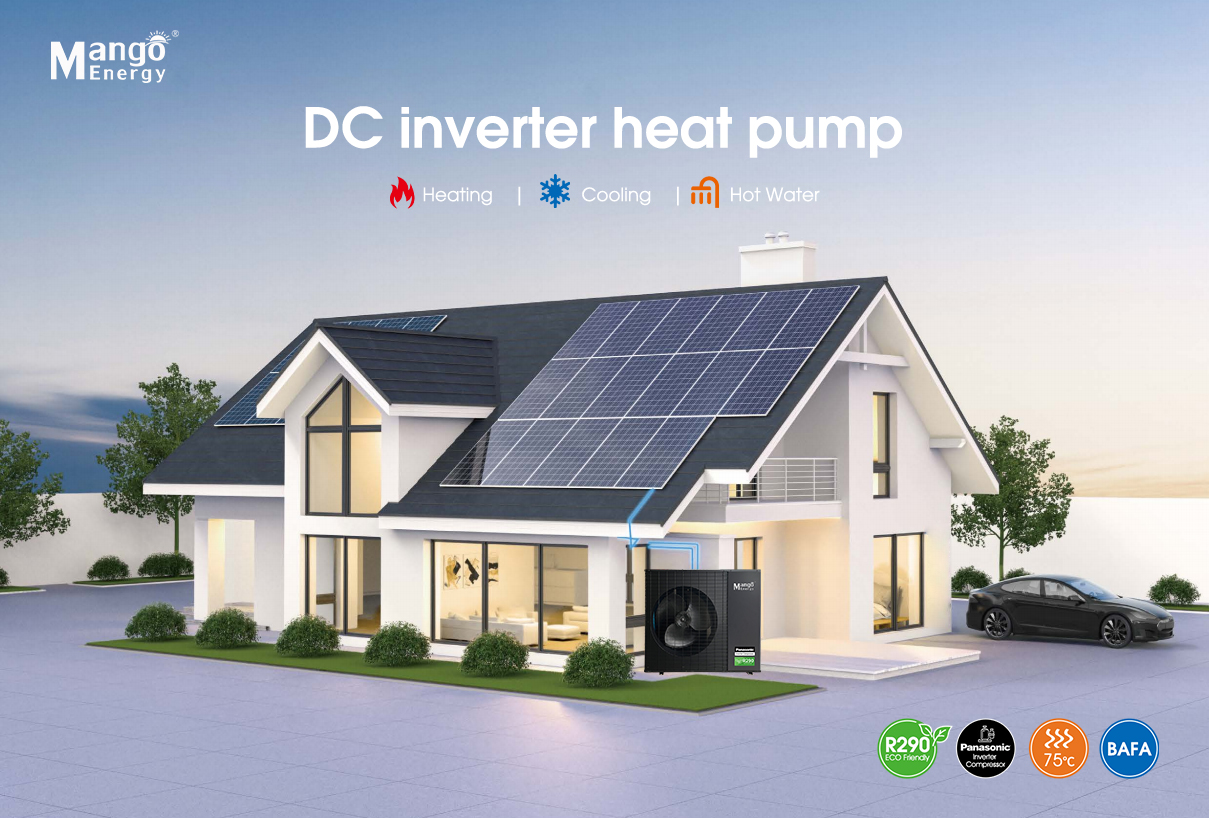
Relying on old fixed-output boilers leaves your building portfolio highly vulnerable to soaring energy market prices. You cannot maximize your real estate profit margins if your properties constantly waste grid electricity on startup cycles. Upgrading your building infrastructure to leverage a premium inverter air source heat pump alters your operational cost sheet completely. This technical evolution balances variable-speed motor physics with smart refrigerant loops to insulate assets from energy inflation.
Stop letting clunky on-off compressors and drafty indoor temperature swings compromise your property management goals this season. Invest in field-proven, sustainable heating assets that stabilize your building maintenance budgets and deliver pristine indoor comfort. Your tenants will appreciate the quiet, steady warmth, and your accountant will love the lower power utility bills. Modernize your property climate strategy today to secure absolute operational control over your total energy footprint.