


Picture a biting cold winter night where freezing winds howl against your living room windows. Inside, your family enjoys perfectly uniform, enveloping warmth without a single cold spot.
For decades, traditional fossil fuel furnaces provided this essential household thermal comfort across Western nations. However, global energy landscapes are shifting rapidly away from old gas and oil combustion systems.
Modern homeowners face intense pressure to slash their carbon footprints while managing soaring utility bills. Fortunately, advanced thermodynamic engineering offers a brilliant way forward for residential clean energy adaptation.
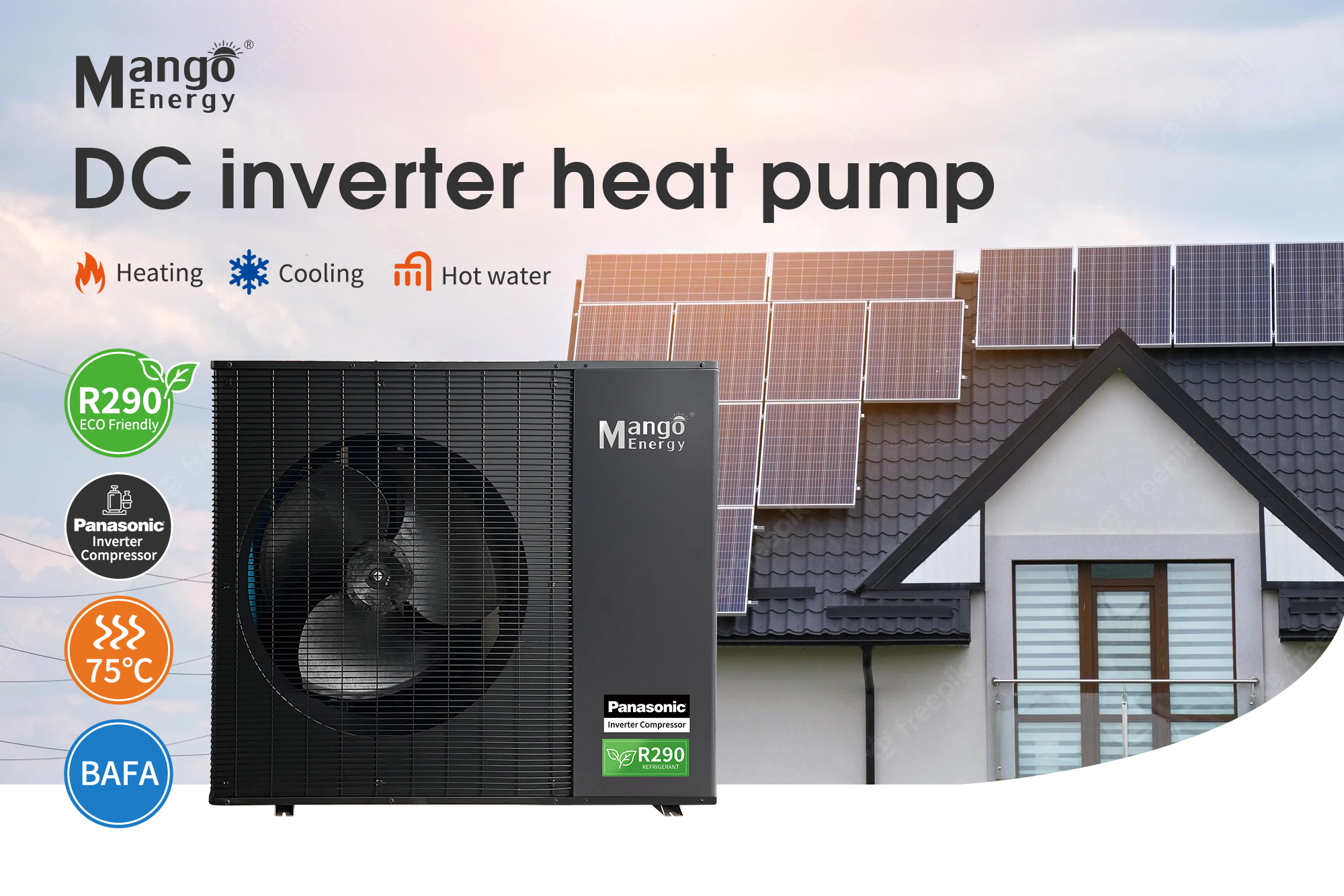
Implementing a modern inverter air source heat pump completely redefines how we heat our homes. This comprehensive HVAC industry analysis explains how smart compressor technology delivers truly sustainable climate control.
The Thermodynamics of Ambient Heat Extraction
Many consumers wonder how a machine extracts warmth from freezing, snowy outdoor air. The underlying answer lies in advanced refrigeration chemistry rather than open flame creation.
Moving Heat Instead of Creating It
Traditional electric baseboard heaters generate thermal energy through inefficient, high-resistance internal metal coils. This primitive method consumes vast amounts of electricity to create heat from scratch.
Conversely, a heat pump acts like a reversible structural refrigerator system for your property. The unit absorbs existing thermal energy from outdoor air layers, even in sub-zero temperatures.
Then, it transfers this concentrated heat indoors through a closed refrigerant loop line.
The Power of Variable Compressor Speeds
Standard older heat pump models utilize basic single-speed compressors that turn on and off constantly. These abrupt cycles create massive electrical spikes and wear down internal mechanical components prematurely.
Modern inverter technology utilizes advanced smart electronics to adjust motor speeds smoothly and continuously. The compressor runs quietly at a low, steady speed once your rooms reach temperature.
Consequently, you eliminate wasteful power spikes and maintain ultra-stable indoor microclimates effortlessly.
How Green Technology Reduces Carbon Footprints
Climate change initiatives demand that residential buildings eliminate direct fossil fuel consumption entirely. Let us examine how switching to electric heat pumps achieves these aggressive green targets.
Eliminating On-Site Fossil Fuel Combustion
Gas furnaces release carbon monoxide, nitrous oxides, and carbon dioxide directly into our atmosphere. These harmful greenhouse gases accelerate global warming trends and degrade local neighborhood air quality.
Because heat pumps run exclusively on electricity, they produce zero localized operational emissions. If you couple the system with rooftop solar panels, you heat your home completely carbon-free. Learn how to size these systems together by reading our Solar and Heat Pump Integration Guide.
Achieving Spectacular Coefficient of Performance Ratings
Industrial heating efficiency measurements utilize a specific metric known as the Coefficient of Performance. A standard high-efficiency gas furnace achieves an operational rating of around 0.95.
This means it converts 95% of its fuel energy into usable household warmth. An advanced energy-efficient heat pump platform regularly achieves ratings between 3.0 and 4.5.
Therefore, the system delivers up to four times more thermal energy than it consumes electrically.
Comparing HVAC Systems: Fossil Fuel vs. Inverter Pumps
Selecting the wrong home comfort system can devastate your annual household operational budgets. The technical comparison table below outlines key performance metrics across common residential setups.
| Home Heating Performance Metric | Standard Natural Gas Furnace | Single-Speed On/Off Heat Pumps | Inverter Air Source Heat Pump |
| Direct On-Site Emissions | High (Combusts fossil fuels) | Zero (Runs on electricity) | Total Zero (100% clean operation) |
| Average Electrical Draw | Low (Powers only the fan motor) | High (Spikes during every start) | Low (Modulates power smoothly) |
| Sub-Zero Climate Performance | Excellent (Unaffected by weather) | Poor (Requires backup heat strips) | Outstanding (Operates past -25°) |
| Long-Term Equipment Lifespan | 12 to 15 years with cleaning | 10 to 12 years due to cycle wear | 15 to 20+ Years with simple care |
Maximizing Cold Weather Comfort and Reliability
In the past, early heat pump models struggled heavily when winter temperatures dropped below freezing. Let us explore how modern engineering overcomes these traditional cold-climate challenges.
Deploying Advanced Intelligent Defrost Cycles
Freezing moisture naturally forms frost layers across outdoor evaporator coils during extended winter runs. Heavy ice buildup blocks essential airflow, reducing heat transfer efficiency significantly.
Older systems used basic mechanical timers to run wasteful, fixed defrost cycles regularly. Modern smart pumps deploy electronic sensors to detect actual ice thickness on the coils.
The machine triggers defrost mode only when absolutely necessary, saving massive amounts of power.
Utilizing Vapor Injection Compressor Systems
Extreme cold thin air decreases refrigerant density, which reduces overall heating capacity over time. Premium units counter this drop by utilizing advanced flash vapor injection loops.
This sub-cooling process injects extra refrigerant vapor directly into the middle compression stage. Consequently, the unit maintains high thermal output even during historic winter cold snaps. Discover more about loop layouts by studying our Cold Climate HVAC Design Architecture Blueprint.
Essential Sourcing Checklist for Eco-Conscious Buyers
Homeowners must look past basic sheet metal aesthetics when selecting a new outdoor heat unit. Avoid purchasing unverified clearance equipment to save a few upfront dollars.
Verify the SCOP Rating: Look for a Seasonal Coefficient of Performance score above 4.6.
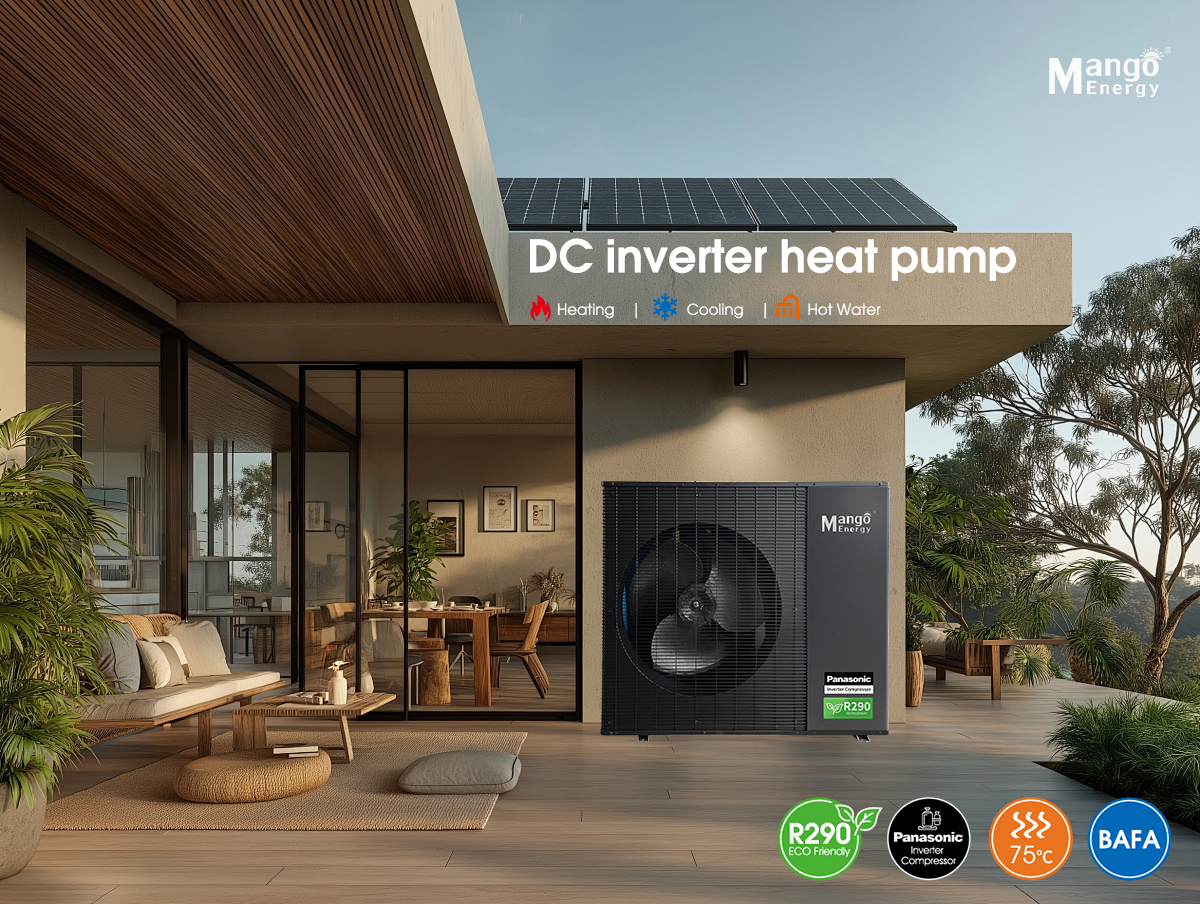
Check the Refrigerant Type: Prioritize eco-friendly R32 or R290 refrigerants over older R410A mixes.
Demand Low Decibel Ratings: Choose outdoor fans rated below 50 decibels to protect neighborhood peace.
Confirm Government Rebate Compliance: Ensure the model carries Energy Star stickers to qualify for clean energy tax credits.
The Financial Reality of Upgrading to Smart HVAC Lines
Some property owners hesitate when reviewing the initial purchase price of variable-speed equipment. However, high-quality thermodynamic gear pays for itself rapidly through dramatic drops in monthly power bills.
Slashing Your Winter Utility Overhead Costs
Single-speed heat systems consume massive amounts of power because they start up repeatedly. These constant current surges drive up your home electric bills significantly during peak winter months.
Because an inverter heat pump idles efficiently once warm, it slashes winter power consumption by up to 40 percent. This predictable, efficient operation provides immense financial relief to monthly household budgets.
Qualifying for Lucrative Clean Energy Tax Credits
Western governments provide heavy financial incentives to speed up residential electrification efforts. Homeowners can claim thousands of dollars in direct tax credits by installing clean heating units.
These generous government subsidies offset your initial equipment upgrade costs immediately. Ultimately, you secure a premium, future-proof air source heating asset for the price of a mid-grade furnace.
Selecting Your Global HVAC Integration Partner
Sourcing a reliable clean energy setup requires a partner with deep electrical and thermodynamic expertise. Avoid general plumbing contractors who lack certified factory training for variable-speed electronics.
Instead, look for specialized HVAC engineering partners who provide comprehensive heating load calculations for your specific floorplan. Your installer should also offer extended parts and labor warranty protection sheets. This meticulous support network guarantees your home stays warm, efficient, and eco-friendly for decades.

Conclusion
Achieving a truly sustainable lifestyle requires making smart, long-term upgrades to our core home infrastructure. Your home heating footprint represents the single largest source of residential carbon emissions today.
Ultimately, integrating a high-performance inverter air source heat pump protects both your wallet and our planet. It delivers the relentless efficiency, whispering quietness, and stable comfort that modern green living demands.
Do you need technical assistance calculating the exact heating load requirements for your upcoming home renovation project? Contact our residential application engineering support team today for a complimentary system configuration consultation.