


Global climate change demands urgent action from every household today. Most homeowners look for simple ways to live sustainably. We switch to LED bulbs and recycle our plastic waste daily. However, heating water remains a massive hidden source of household emissions.
Fortunately, a modern solar pv water heater offers an elegant, high-tech solution. This system converts sunlight directly into clean electricity to warm your water supply. Consequently, it slashes your reliance on fossil fuels immediately. This guide explains how this technology lowers your home carbon footprint this year. We will explore the environmental and financial benefits of making the switch.
The Massive Carbon Footprint of Traditional Water Heaters
Traditional water heaters are silent environmental villains in many modern neighborhoods. Most homes rely on natural gas or standard electrical grids for heating. These methods burn fossil fuels constantly to maintain a hot water supply. In fact, water heating accounts for roughly 18% of your home's energy use. This makes it the second-largest energy expense in average households. Therefore, traditional systems emit tons of unnecessary greenhouse gases into our atmosphere every year.
Why Grid Electricity Is Not Truly Clean
Many people assume electric heaters are automatically eco-friendly. However, most regional power grids still burn coal or natural gas daily. When you draw power during peak times, you increase power plant emissions. A solar pv water heater bypasses the dirty grid entirely during peak sunlight hours. This direct energy capture makes a profound difference for our planet.
How Solar PV Water Heating Technology Works
Understanding the basic science behind the system helps maximize its efficiency. Unlike older thermal systems, PV setups use standard solar panels to generate direct current. An intelligent controller routes this power straight to a specialized heating element. This design eliminates complex plumbing lines, pumps, and fluid maintenance on your roof. It simplifies the entire renewable energy transfer process beautifully for homeowners.
The Advantages of Direct Current Heating
Direct current from panels travels straight to the water tank without an inverter. This removes the energy losses associated with converting power to alternating current. It provides a highly efficient way to utilize every photon of sunlight captured.
Slashing Your Household Emissions Immediately
How exactly does this upgrade shrink your carbon footprint so effectively? The numbers tell an inspiring story for environmental advocates.
Zero Daily Emissions: Solar power generates electricity without creating any greenhouse gases.
Reduced Grid Reliance: Your home stops drawing dirty power from regional coal plants.
Peak Demand Shaving: You heat water during the day when solar abundance is highest.
Long-Term Sustainability: One system offsets carbon for over twenty-five years of continuous operation.
Real-World Carbon Offset Benchmarks
An average family can offset over two tons of carbon annually with this upgrade. This matches the carbon absorption of nearly one hundred mature trees over a decade. This immediate impact helps your household meet global climate goals faster. It turns your daily shower into a completely guilt-free, sustainable habit.
Financial Savings Meet Environmental Stewardship
True sustainability must also make financial sense for the average family budget. A solar pv water heater delivers on both fronts effortlessly. By generating your own power, you protect your wallet from volatile energy prices. Gas and electricity rates continue to climb globally every year. Solar energy remains completely free once you install the core hardware. Therefore, your initial investment pays for itself within a few short years.
Maximizing Government Tax Incentives
Many countries offer massive tax credits for residential renewable energy upgrades in 2026. These incentives can lower your total installation cost by 30% or more. This financial assistance speeds up your return on investment significantly.
The Hybrid Approach: Integrating Advanced Heat Pumps
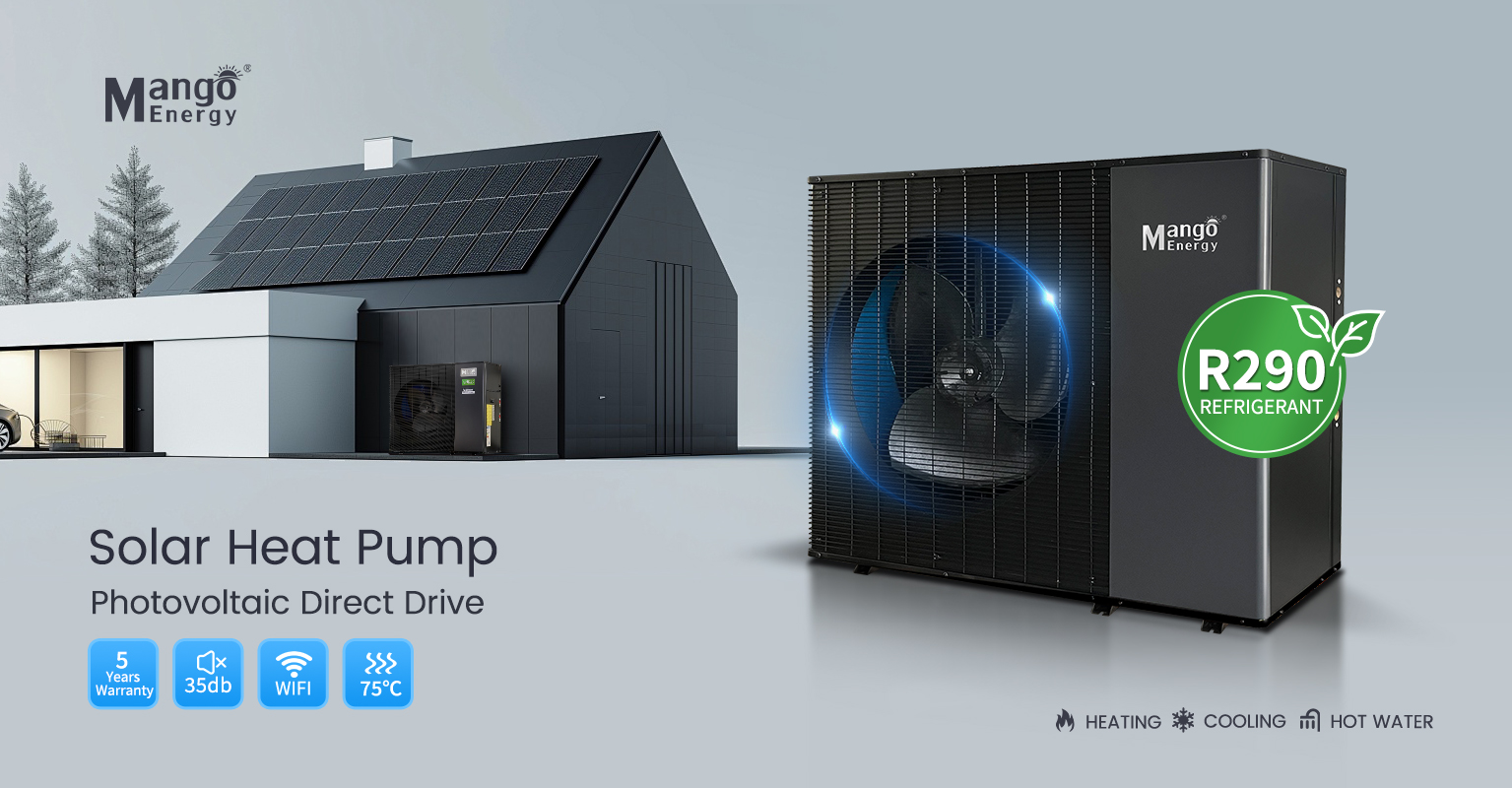
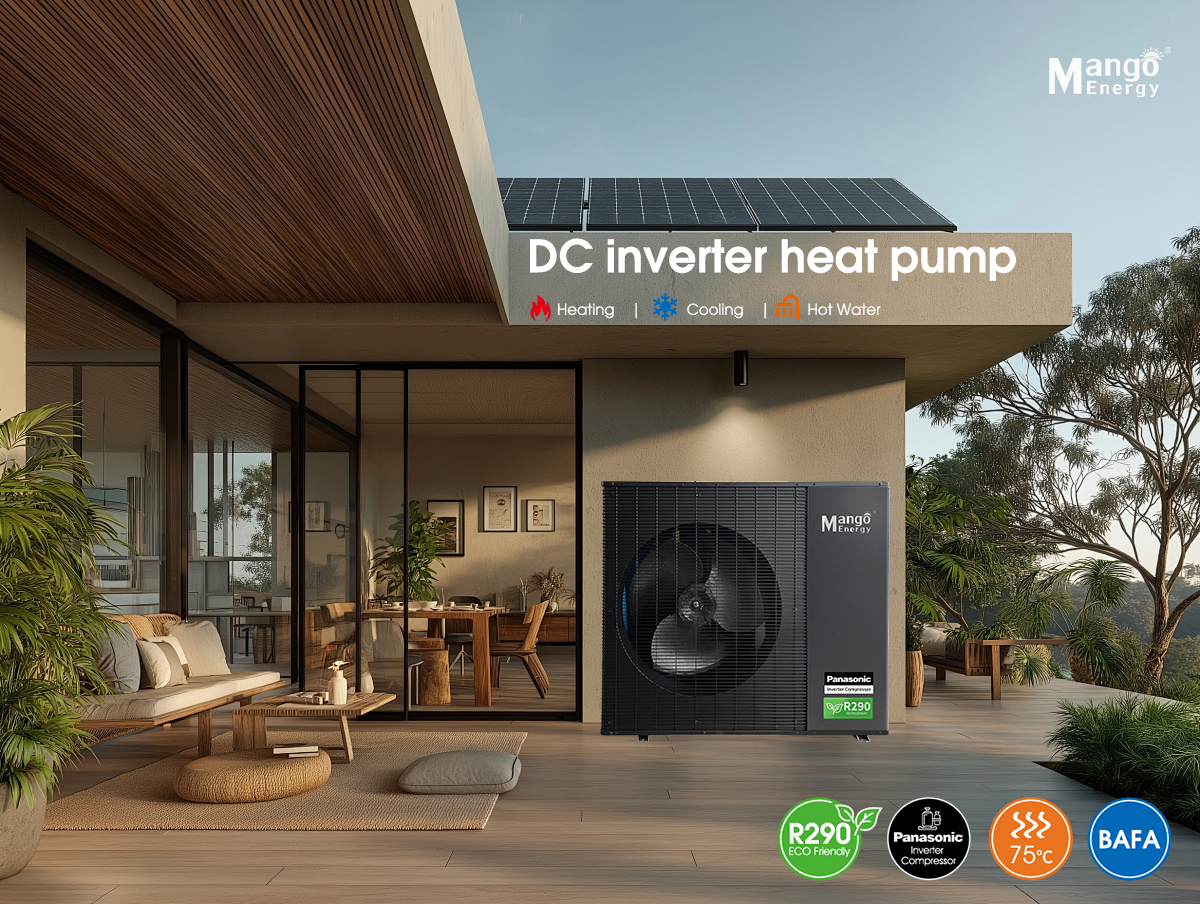
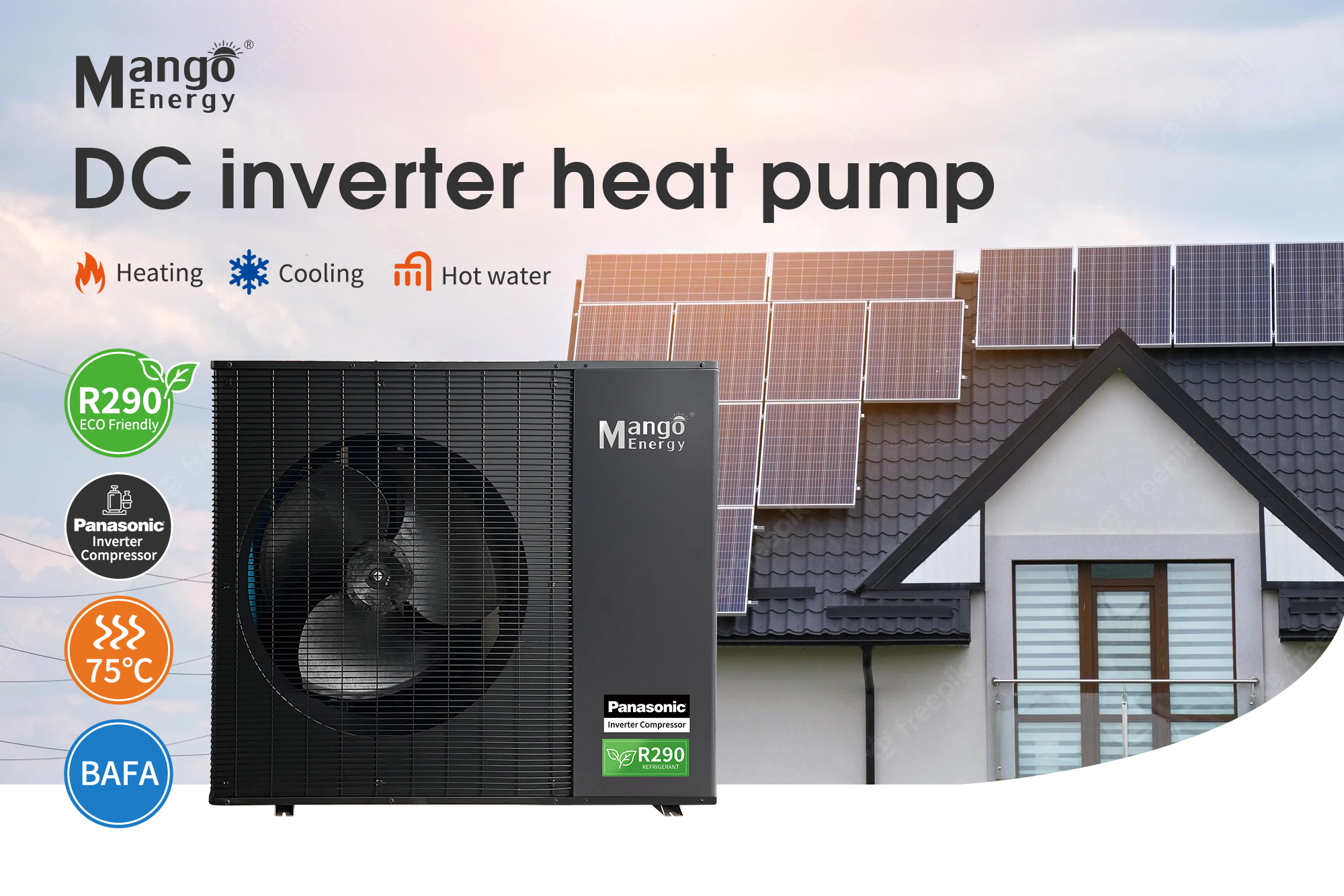
Sometimes, cloud cover persists for days during wet seasons. Savvy homeowners need a bulletproof backup plan for these weeks. This is where hybrid technology completely changes the game. You can pair your solar array with a secondary green appliance. For the absolute lowest emissions, industry experts recommend advanced heat pump technology. Integrating the Mango Energy R290 heat pump creates an eco-friendly powerhouse. This specific setup guarantees hot water while maintaining your green goals perfectly.
Superior Reliability and Low Maintenance Requirements
Homeowners value systems that work reliably without requiring constant professional service. Traditional solar thermal collectors often suffer from frozen pipes or fluid leaks in winter. Conversely, PV wires handle extreme weather conditions without any physical risk. A solar pv water heater contains no moving parts to break down over time. The solid-state design ensures consistent performance for decades to come.
Simple Integration with Existing Plumbing
You do not need to replace your entire home plumbing network for this upgrade. The system integrates smoothly with most standard residential hot water configurations. Technicians simply install the new tank and run the solar wires down from the roof. This keeps your installation disruption to a absolute minimum.
Enhancing Grid Resilience and Energy Independence
Energy independence is becoming a top priority for modern residential communities. Extreme weather often causes widespread power outages across local grids. A solar-powered water system ensures you have hot water even during blackouts. The tank acts as a reliable battery, storing thermal energy for later use. This resilience protects your family comfort during unexpected regional emergencies.
Sunlight Capture: PV panels generate electricity on your roof during daytime hours.
Smart Routing: The controller sends power directly to the water tank element.
Thermal Storage: The insulated tank keeps the water hot for evening use.
Grid Backup: The system switches to grid power automatically if cloudy days persist.
Choosing the Right System Size for Your Family
Selecting the correct tank capacity ensures you never run out of hot water unexpectedly.
For Small Households (1-2 People)
A small family usually needs a sixty-gallon tank paired with three solar panels. This configuration provides ample hot water for daily cooking and showers. It keeps your upfront hardware costs low while maximizing your roof space efficiency.
For Large Families (4+ People)
Larger households should look at eighty-gallon systems or bigger configurations. You will need a larger solar array to heat the higher volume of water quickly. This setup handles back-to-back showers and laundry cycles easily without losing temperature.
Overcoming Common Myths About Solar Water Heating
Some buyers hesitate to adopt solar technology due to outdated information online. The most common myth is that solar requires hot weather to function well. In reality, PV panels collect light, not ambient heat from the air. They operate incredibly efficiently even in freezing, crisp winter conditions. Another myth involves the aesthetic impact of the panels on your roofline. Modern all-black solar panels blend seamlessly with contemporary architectural designs.
The Truth About Cloud Cover Performance
Modern solar controllers utilize diffuse sunlight very effectively on overcast days. While production drops slightly, the system still contributes to your heating needs. A smart backup like the Mango Energy R290 heat pump handles the rest seamlessly. You never have to worry about cold showers during a storm.
Future-Proofing Your Property Value
Green home upgrades are highly attractive to modern real estate buyers in today's market. Homes featuring renewable energy solutions sell faster than traditional properties. A solar pv water heater increases your total home equity immediately upon installation. Buyers appreciate knowing their future utility bills will remain incredibly low. This makes solar technology a very smart investment for your long-term property value.
Final Thoughts on Green Home Upgrades
Reducing your home carbon footprint does not require sacrificing your daily comfort. Investing in a solar pv water heater is a definitive step toward a cleaner future. It blends cutting-edge technology with practical, everyday utility for your family. You will enjoy lower energy bills while actively protecting our shared global environment. Make the transition to renewable hot water and lead the change in your community today.