


Owning a swimming pool offers endless fun and relaxation for your family. However, cold water often limits your swimming season to just a few short months. Many homeowners struggle with high energy bills when trying to maintain a comfortable temperature. Consequently, choosing a high-efficiency heating solution has become a top priority for smart pool owners. An air source heat pump provides a modern way to extend your swimming time significantly. This technology extracts heat from the surrounding air to warm your water effectively. This guide explores the true value of an inverter pool heat pump for your home. We will help you determine if this green investment makes sense for your lifestyle.
How an Air Source Heat Pump Actually Works
To understand the value, you must first grasp the science behind the hardware. An air source heat pump does not actually "create" heat through combustion.
The Heat Transfer Process
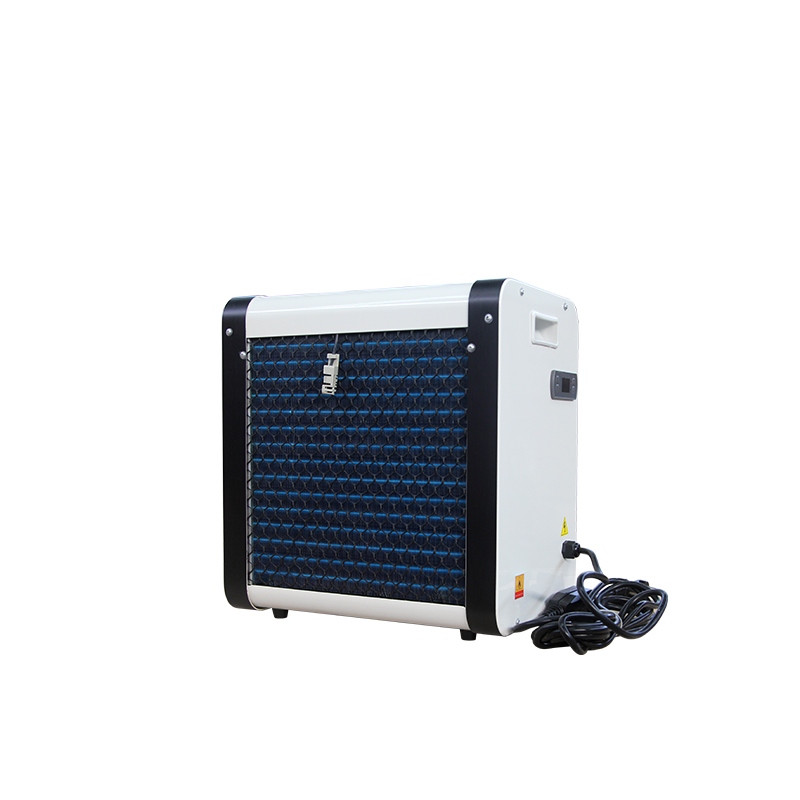
The unit uses a fan to pull in warm ambient air over an evaporator coil. A refrigerant inside the coil absorbs the heat and transforms into a gas. Next, a compressor increases the pressure of that gas, which raises its temperature sharply. This intense heat then transfers directly to your pool water through a heat exchanger. Finally, the refrigerant cools down and the cycle begins again immediately.
Energy Efficiency Ratios
Because the system only moves heat rather than generating it, it is incredibly efficient. Many units produce five units of heat for every one unit of electricity consumed. This high Coefficient of Performance (COP) sets heat pumps apart from traditional gas or electric heaters.
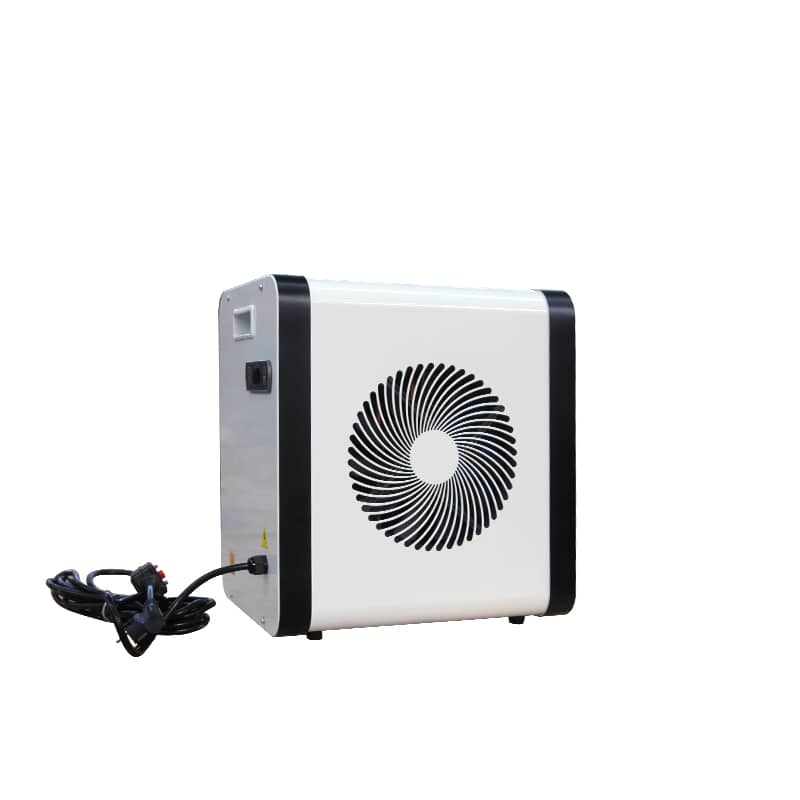
The Game-Changing Benefits of an Inverter Pool Heat Pump
Standard heat pumps operate at a fixed speed, but newer technology offers a better path. An inverter pool heat pump utilizes a variable-speed compressor to optimize performance.
Higher Energy Savings: The inverter adjusts its speed to maintain a steady temperature precisely.
Ultra-Quiet Operation: The system runs at lower speeds once the water reaches the target heat.
Longer Lifespan: Reduced "start-stop" cycles put less mechanical stress on the internal components.
Faster Heating: The unit can run at 120% capacity to warm the pool quickly.
Soft Start Technology: It prevents sudden power surges that could trip your home breakers.
These features ensure that your pool stays warm without causing a massive spike in your utility bills. Furthermore, the quiet operation allows you to enjoy a peaceful backyard environment at all times.
Is the Initial Investment Worth the Long-Term Savings?
Many buyers feel hesitant because heat pumps often cost more upfront than gas heaters. However, you must look at the total cost of ownership over ten years.
Comparing Operational Costs
Gas heaters burn expensive fuel quickly to provide rapid bursts of heat. In contrast, a heat pump uses a small amount of electricity to maintain warmth consistently. Over several seasons, the savings on monthly bills usually cover the higher initial purchase price. Most owners see a complete return on investment within two to four years.
Environmental Impact and Sustainability
Reducing your carbon footprint is another vital factor in the "worth it" equation. Air source heaters do not emit carbon monoxide or other harmful gases into your backyard. They rely on renewable heat from the air, making them a much greener choice. This alignment with eco-friendly living adds significant emotional and social value to your home.
Technical Expertise in Thermodynamics
A reliable supplier must understand the relationship between ambient humidity and heating capacity. Expertise in refrigerant chemistry ensures that your unit operates safely in various weather conditions. Always look for brands that provide detailed performance charts for different climate zones.
Authoritative Product Certifications
Trustworthy manufacturers hold international certifications like CE or TUV for safety and efficiency. These labels prove that the inverter pool heat pump meets rigorous global standards. Furthermore, an authoritative brand will offer a transparent warranty that protects your investment for years.
Factors That Determine Your Heating Success
Not every pool is the same, so you must consider your specific environment carefully. Several external variables will influence how well your heat pump performs.
Local Climate: Heat pumps work most efficiently when the air temperature is above 10°C.
Pool Size: Ensure the BTU output of the unit matches your total water volume.
Target Temperature: Keeping a pool at 30°C requires significantly more energy than 26°C.
Use of Pool Covers: A solar cover prevents up to 70% of heat loss through evaporation.
Using a high-quality cover is the best way to support your heat pump's performance. It traps the heat you just paid for and prevents it from escaping into the night air.
Common Myths About Pool Heat Pumps
Misinformation often prevents people from choosing the most efficient heating solution available today. Let us clarify two common myths about air source technology.
Myth 1: Heat pumps take too long to warm the water.
While they are slower than gas, an inverter pool heat pump is very effective. If you keep the system running, it maintains a perfect temperature effortlessly. It is a "marathon runner" rather than a "sprinter," providing long-term stability.
Myth 2: They are too loud to have near the pool.
This was true for older, fixed-speed models from a decade ago. However, modern inverter units are incredibly quiet, often producing less noise than a light rain. You can easily hold a conversation while standing right next to the machine.
Maintenance Tips for Maximum Longevity
To ensure your investment remains "worth it," you must care for the unit properly. A well-maintained heat pump can last for 15 years or more.
Keep the Airflow Clear: Remove leaves and debris from the intake grilles every week.
Check the Evaporator: Gently wash the fins with a hose to remove dust or salt.
Monitor Water Chemistry: Balanced pH levels prevent the heat exchanger from corroding over time.
Professional Annual Service: Hire a technician once a year to check the refrigerant levels.
Regular care ensures that the unit maintains its high COP throughout its entire lifecycle. It also prevents small issues from turning into expensive compressor failures later.
The Verdict on Pool Heat Pumps
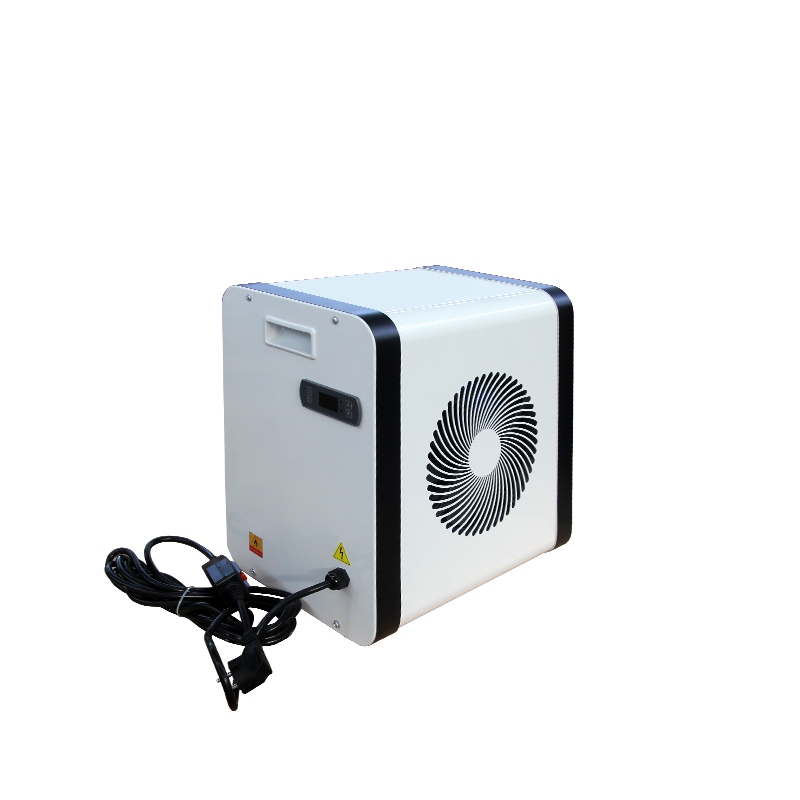
So, is an air source heat pump for swimming pool heating worth it? For most families, the answer is a resounding yes. An inverter pool heat pump offers the best balance of comfort, efficiency, and sustainability. While the upfront cost is higher, the massive reduction in monthly bills is undeniable. You will enjoy a longer swimming season and a much more comfortable pool experience. By choosing a high-quality unit and maintaining it well, you secure a wise investment for your home.
Stop shivering in cold water and start enjoying your pool to the fullest. Upgrade to a modern heat pump today and make every swim a warm and relaxing experience!