


Nothing beats a warm swim in a backyard pool. However, a broken heater quickly ruins the fun. Many owners now choose an energy efficient mini pool heat pump for their setups. These compact units save money and keep water warm effectively.
Yet, even the best technology faces occasional hiccups. Do you see an error code on your display? Perhaps the water feels colder than usual today?
Don’t panic or call an expensive technician yet. Most mini pool heat pump issues have simple solutions. This guide walks you through common problems and their quick fixes. We will help you get back into the warm water fast!
Why Choose an Energy Efficient Mini Pool Heat Pump?
Before we troubleshoot, let’s look at why these units are popular. An energy efficient mini pool heat pump uses ambient air to heat water. This process uses much less electricity than traditional heaters.
Compact Performance
These pumps fit perfectly into small gardens or patios. They provide consistent heat for above-ground pools without taking much space.
Environmentally Friendly
Because they move heat instead of creating it, they emit less carbon. This makes them the top choice for eco-conscious homeowners.
Problem 1: The Heat Pump Is Not Turning On
This is the most frequent complaint among pool owners. You flip the switch, but nothing happens.
Check the Power Supply
First, ensure the plug sits firmly in the outlet. Sometimes, vibrations from the pump loosen the connection over time. Also, check your circuit breaker or GFCI outlet. A small power surge might have tripped the safety switch.
Inspect the Thermostat Settings
Is the "target temperature" higher than the current pool temperature? If the thermostat detects warm water already, it won't trigger the pump. Set the temperature at least 2 degrees higher to test the unit.
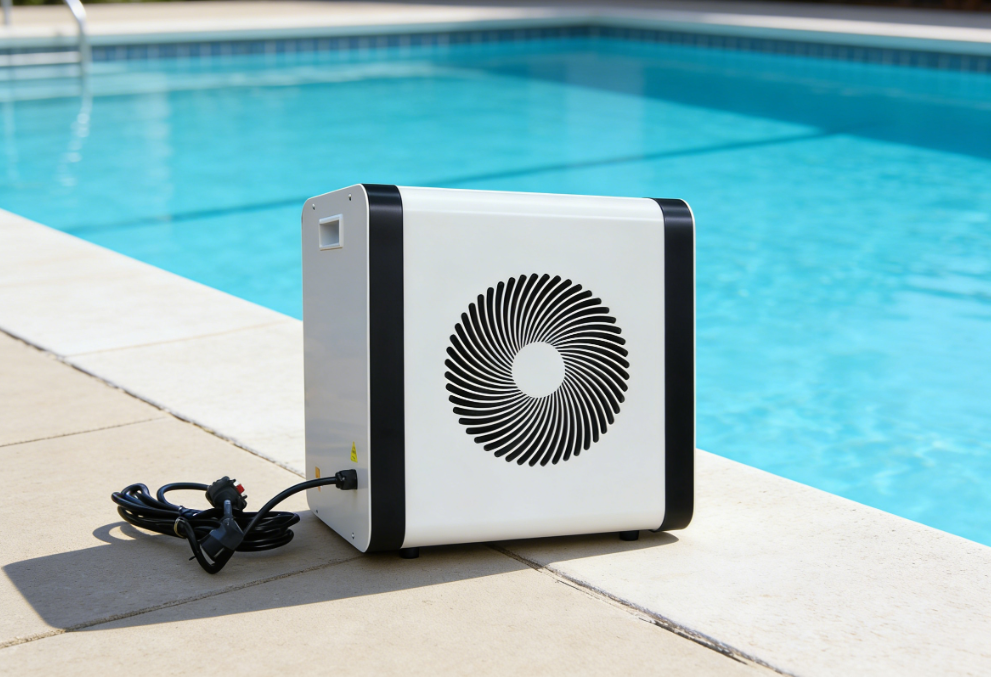
Problem 2: The Pump Runs But Does Not Heat
Is your energy efficient mini pool heat pump humming but the water stays chilly? This usually involves airflow or refrigerant issues.
Clean the Air Filter and Coils
Heat pumps need "breathable" air to function. Dust, leaves, or debris often clog the evaporator coils. Clean the exterior fins gently with a soft brush or a garden hose.
Verify Ambient Air Temperature
Most mini pumps struggle when the air is too cold. If the outside temperature drops below 10°C (50°F), the pump may stop. Check your manual for the specific operating range of your model.
Problem 3: Low Water Flow Error Codes
Modern heaters are smart. They include sensors to protect the internal heat exchanger. If the water moves too slowly, the unit shuts down to prevent overheating.
Clean Your Pool Filter
A dirty sand or cartridge filter restricts water flow significantly. This is the primary cause of "Low Flow" errors. Backwash your filter or replace the cartridge to restore pressure.
Check for Blockages in the Pipes
Ensure all valves are fully open. Sometimes, small toys or debris get stuck in the plumbing. Clear these obstructions to keep your mini pool heat pump happy.
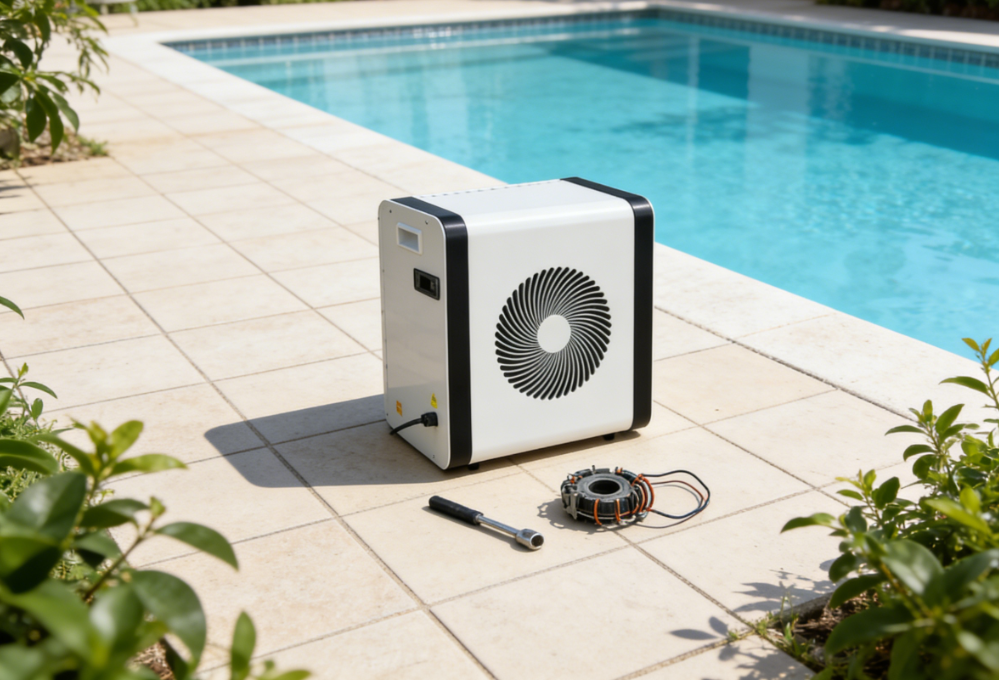
Problem 4: Leaking Water Around the Unit
Finding a puddle under your pump can be scary. However, it might not be a mechanical failure.
Condensation vs. A Real Leak
Heat pumps produce a lot of condensation as they cool the air. This is a normal part of the dehumidification process. To test this, turn the unit off for a few hours. If the puddle dries up, it was just condensation.
Checking the Internal Connections
If the water continues to pool, check the unions and O-rings. Tighten any loose fittings by hand. If you see a crack in the housing, you may need a professional repair.
A Real-World Lesson from the Forums
Experienced users often share the best advice. Let’s look at a popular case from the TroubleFreePool (TFP) forums.
The Forum Case Study:A user reported their energy efficient mini pool heat pump kept cycling on and off. They nearly bought a new compressor.
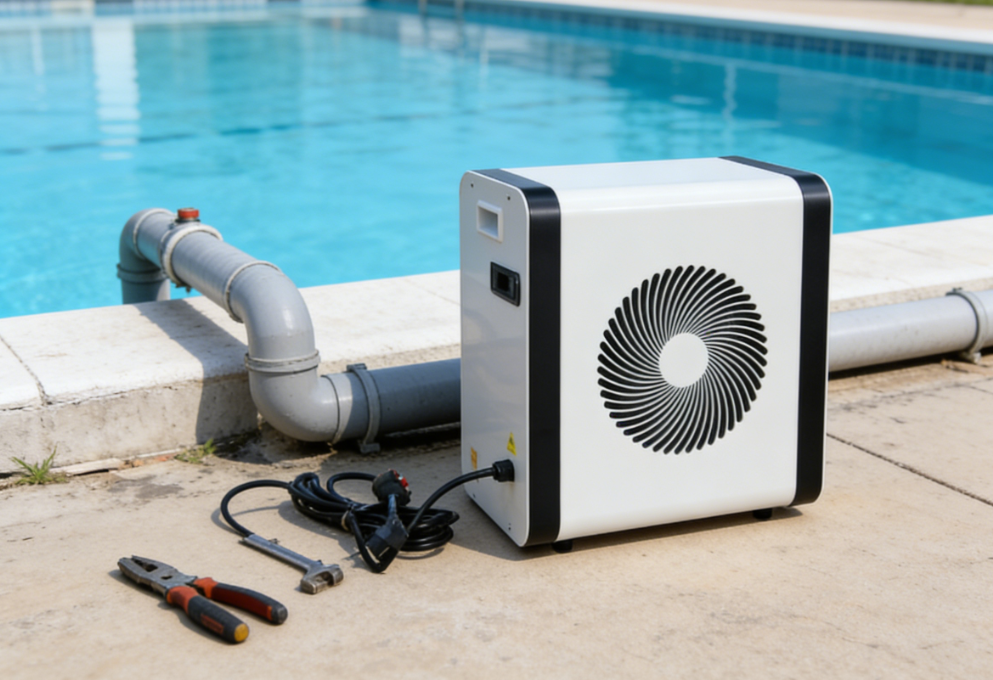
The Fix: > A senior member suggested checking the bypass valve. It turns out, too much water was bypassing the heater. The unit couldn't detect a steady flow. By adjusting the valve slightly, the user fixed the problem in seconds. This saved them over $400 in repair costs!
Maintenance Tips to Prevent Future Problems
Prevention is always better than a fix. Follow these simple steps to extend the life of your gear.
-
Cover it in Winter: Use a breathable cover to keep debris out during the off-season.
-
Weekly Inspections: Quickly check the air intake for leaves every weekend.
-
Keep it Level: Ensure the pump sits on a flat, solid surface to prevent vibration damage.
-
Winterize Properly: Drain all water from the unit before the first frost to prevent burst pipes.
When to Call a Professional
While many pool heater troubleshooting steps are DIY-friendly, some require an expert. Do not attempt to fix these issues yourself:
-
Refrigerant Leaks: Handling gas requires a certified HVAC technician.
-
Electrical Rewiring: Avoid high-voltage risks to stay safe.
-
Digital Controller Failure: Internal circuit boards are delicate and expensive.
Enjoy Your Warm Pool with Confidence
Owning a Mango energy-efficient mini pool heat pump shouldn't be stressful. By understanding how these units work, you can solve most issues at home. Remember to keep the airflow clear and the water flowing steadily.
Consistent maintenance ensures your pool stays at the perfect temperature all summer. Don't let a small error code ruin your weekend. Use these tips to troubleshoot like a pro!